
Contents
Overview
Minneapolis, the larger of the Twin Cities, offers a dynamic urban environment with a strong emphasis on arts, culture, and outdoor recreation. Known for its extensive park system and chain of lakes, it presents a unique blend of city living and natural beauty. When searching for a home here, consider neighborhoods like the trendy North Loop with its converted warehouses, the vibrant Uptown known for its nightlife and shops, or the historic Linden Hills offering charming streets and lake access. Each area boasts a distinct vibe, impacting everything from commute times to weekend activities. Understanding the local market dynamics, including average home prices and recent sales trends, is crucial for any buyer.
📍 Overview: The City of Lakes
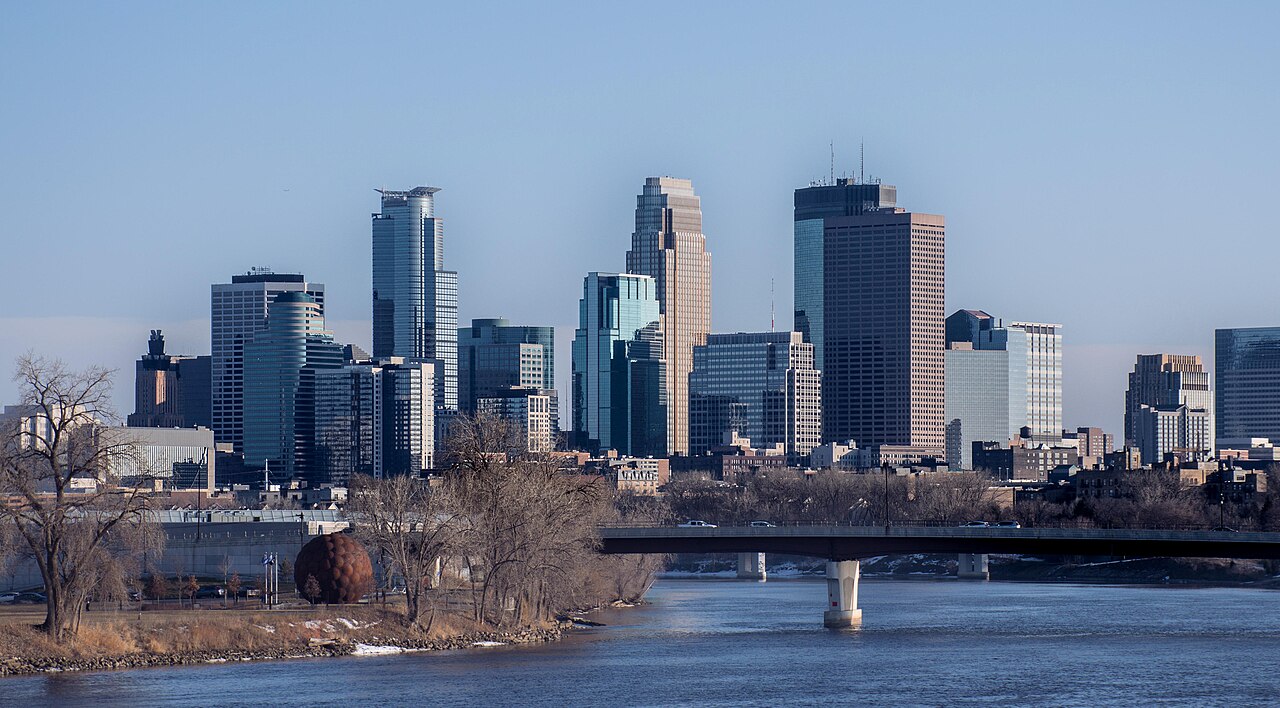
Minneapolis, often called the "City of Lakes," is Minnesota's most populous city, offering a vibrant urban experience deeply intertwined with nature. With over 429,000 residents as of the 2020 census, it's a major hub in the Twin Cities metropolitan area. This city is perfect for those seeking a blend of cultural amenities and abundant green spaces, featuring thirteen lakes, the Mississippi River, and an extensive park system. Whether you're a first-time buyer or looking to upgrade, Minneapolis presents a diverse range of housing options and a unique lifestyle.
🗺️ Location & Geography
Strategically situated in central Minnesota, Minneapolis straddles the Mississippi River, just east of the state's geographical center. Its proximity to Saint Paul, the state capital, forms the core of the 3.69 million-resident Twin Cities metro area. The city is built upon a flat terrain fed by an artesian aquifer, contributing to its numerous water features. While known for its distinct seasons—cold, snowy winters and warm, humid summers—its geography provides a unique backdrop for daily life and outdoor activities.
🏙️ Neighborhood Vibes
Minneapolis boasts a collection of distinct neighborhoods, each with its own character and appeal. From the trendy boutiques and cafes of Uptown to the historic charm of Northeast Minneapolis with its art galleries and breweries, there's a vibe for everyone. Downtown offers a bustling business district with modern condos, while areas like South Minneapolis provide a more residential feel with diverse communities. Exploring these areas is key to finding a neighborhood that matches your lifestyle fit.
🏡 Housing Market Snapshot
The housing market in Minneapolis is dynamic, offering a mix of historic homes, modern apartments, and everything in between. You'll find charming bungalows in older neighborhoods, sleek lofts in converted industrial buildings, and new constructions in developing areas. The average home price can vary significantly by neighborhood, with areas closer to downtown or popular lakes often commanding higher prices. Understanding current market trends is crucial for making a timely offer.
💰 Cost of Living
The cost of living in Minneapolis is generally considered moderate, especially when compared to other major Midwestern cities. While housing costs can be a significant factor, utilities, transportation, and groceries are often competitive. The median household income provides a good benchmark for affordability. For those looking to buy, understanding the mortgage pre-approval process early on will help set realistic budget expectations.
🚗 Getting Around
Navigating Minneapolis is relatively straightforward, thanks to its well-developed transportation infrastructure. The city offers a comprehensive public transit system, including buses and the METRO Green and Blue Line light rail. Biking is also extremely popular, with dedicated lanes and trails, especially along the Grand Rounds. For car owners, understanding parking regulations in different neighborhoods is essential, particularly in denser areas.
🌳 Parks & Recreation
Minneapolis truly lives up to its "City of Lakes" moniker with an exceptional public park system. The Grand Rounds National Scenic Byway connects many of the city's 13 lakes, including Bde Maka Ska, Harriet, and Nokomis, offering miles of trails for walking, running, and biking. Beyond the lakes, the Mississippi River provides scenic views and recreational opportunities, making outdoor living a central part of the Minneapolis experience.
🎭 Culture & Entertainment
The city thrives with a rich cultural scene, from world-class museums like the Minneapolis Institute of Art to a vibrant live music and theater community. The Guthrie Theater is a renowned performing arts venue, and the city hosts numerous festivals throughout the year. Foodies will delight in the diverse culinary landscape, from farm-to-table restaurants to international cuisine, reflecting the city's multicultural population.
⭐ Why Minneapolis for Home Buyers?
Minneapolis appeals to home buyers looking for a city that balances urban amenities with natural beauty and a strong sense of community. Its affordability relative to coastal cities, combined with a robust job market and a high quality of life, makes it an attractive destination. The emphasis on walkable neighborhoods and extensive park systems caters to active lifestyles, while the diverse cultural offerings ensure there's always something to explore.
💡 Pro Tips for House Hunters
When searching for a home in Minneapolis, start by identifying which of the city's distinct neighborhoods best suits your lifestyle and budget. Attend open houses to get a feel for different areas and property types. Don't overlook the importance of a home inspection to uncover any potential issues, especially in older homes. Finally, connect with local real estate agents who have deep knowledge of the Minneapolis market to guide your search effectively.
Key Facts
- Year
- 1867
- Origin
- Minneapolis was incorporated as a city in 1867, growing rapidly due to its location on the Mississippi River and its role in the lumber and flour milling industries.
- Category
- By City
- Type
- City
Frequently Asked Questions
What is the average home price in Minneapolis?
The average home price in Minneapolis fluctuates based on market conditions and specific neighborhoods. As of late 2023/early 2024, the median sale price for a single-family home often hovers around the mid-$300,000s, but this can increase significantly in desirable areas like Uptown or near the Chain of Lakes. Condos and townhomes typically have lower median prices. It's best to check current market data for the most up-to-date figures.
Is Minneapolis a good city for families?
Yes, Minneapolis is widely considered a family-friendly city. It boasts an excellent public school system, numerous parks with playgrounds, and a variety of family-oriented activities and cultural institutions. The emphasis on outdoor recreation and safe, walkable neighborhoods contributes to its appeal for families looking to settle down.
What are the best neighborhoods for young professionals in Minneapolis?
Young professionals often gravitate towards neighborhoods like Uptown, Downtown East (Mill District), and the North Loop. These areas offer a high concentration of apartments and condos, vibrant nightlife, diverse dining options, and easy access to employment centers and public transportation. The Uptown area, in particular, is known for its lively atmosphere and proximity to the city's lakes.
How do Minneapolis winters affect home buying?
Minneapolis winters are cold and snowy, which can impact the housing market. Typically, the market slows down slightly during the coldest months (December-February) compared to the spring and fall. However, motivated buyers and sellers remain active. It's crucial for buyers to ensure potential properties have adequate heating systems and insulation, and to be prepared for showings in winter conditions.
What is the difference between Minneapolis and Saint Paul?
Minneapolis and Saint Paul are the core cities of the Twin Cities metropolitan area, often referred to collectively. Minneapolis is known for its lakes, parks, and more modern, business-oriented downtown, with a higher population. Saint Paul, the state capital, has a more historic feel, with notable architecture and a slightly smaller population. Both cities offer distinct cultural experiences and housing markets.
Are there affordable housing options in Minneapolis?
While Minneapolis has seen rising housing costs, affordable options do exist, particularly in neighborhoods further from the downtown core or popular lake areas. Exploring areas in South Minneapolis or parts of North Minneapolis can yield more budget-friendly choices. Additionally, looking at condos, townhomes, or fixer-upper properties can present opportunities for first-time home buyers.