
Summary
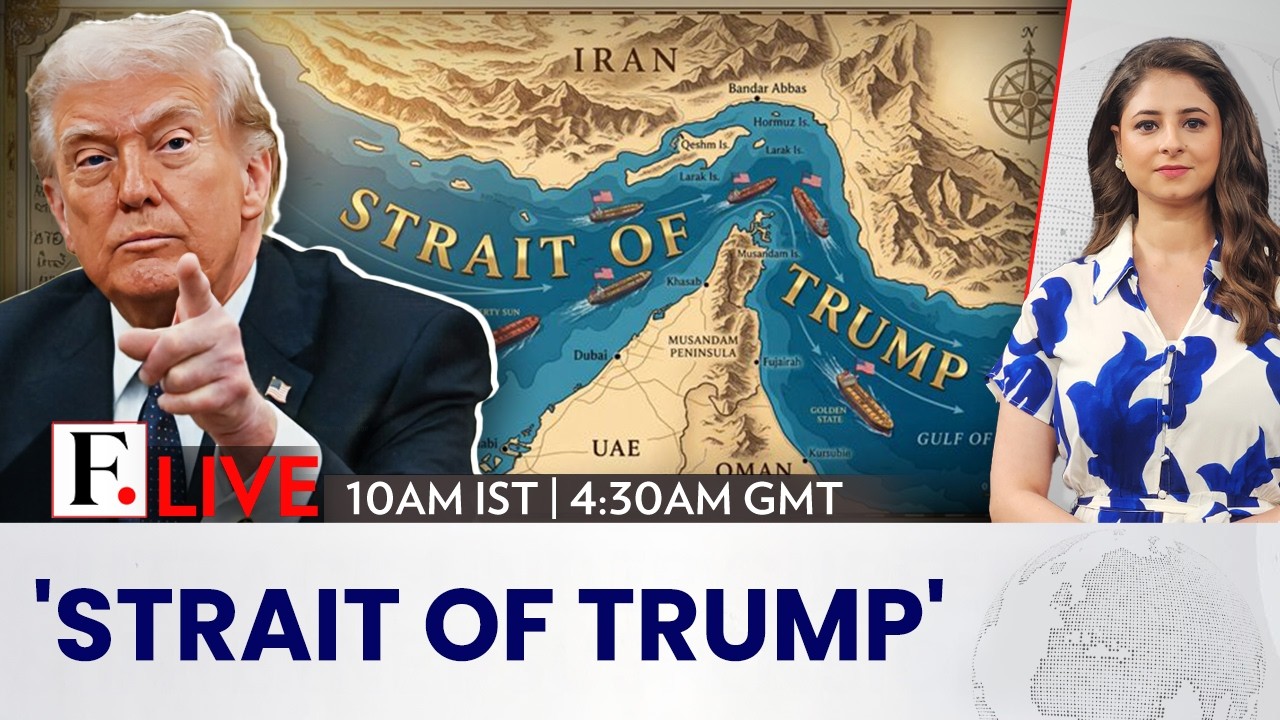
The **Strait of Hormuz**, a critical chokepoint for global oil shipments, remains a flashpoint in escalating tensions between the **United States** and **Iran**. President **Donald Trump** is reportedly considering a recent Iranian proposal that offers to reopen the vital waterway in exchange for delaying nuclear negotiations. This delicate diplomatic dance, occurring amidst rising **oil prices**, highlights the precarious balance of power and the potential for significant economic disruption. The administration's "unenthusiastic" contemplation suggests a deep skepticism about Iran's intentions, while Tehran leverages its strategic position to seek concessions. The outcome could dramatically impact regional stability and global energy markets, underscoring the enduring significance of the Hormuz standoff [[oil-prices|oil prices]] and [[iran-nuclear-deal|Iran's nuclear program]].
Key Takeaways
- Iran has proposed reopening the Strait of Hormuz in exchange for delaying nuclear talks.
- The Trump administration is cautiously considering this offer, indicating skepticism.
- Rising oil prices are a direct consequence of the ongoing tensions.
- The Strait of Hormuz is a critical chokepoint for global energy supplies.
- The situation remains in a state of diplomatic limbo with significant economic implications.
Balanced Perspective
The Trump administration is evaluating an Iranian proposal to reopen the Strait of Hormuz, a move that could alleviate pressure on global oil markets. However, the offer is linked to delaying nuclear talks, a condition that raises questions about Iran's long-term intentions and the administration's strategic objectives. The "unenthusiastic" consideration suggests a cautious approach, weighing potential short-term gains against the risks of emboldening Iran or undermining broader diplomatic efforts concerning its [[iran-nuclear-program|nuclear program]].
Optimistic View
This Iranian offer, if genuinely pursued, could represent a crucial de-escalation, potentially stabilizing [[oil-prices|oil prices]] and reducing the immediate risk of conflict. A temporary pause in nuclear talks, coupled with the reopening of the Strait, could provide much-needed breathing room for more substantive diplomacy, ultimately leading to a more secure and predictable energy market for the world. This could be the first step towards a broader regional security framework.
Critical View
This Iranian offer is a classic gambit designed to extract concessions without genuine commitment, a tactic seen repeatedly in [[iran-nuclear-deal|Iran's]] diplomatic history. Reopening the Strait might offer temporary relief, but delaying nuclear talks only allows Iran to advance its capabilities unchecked, increasing the long-term threat. The administration's hesitation signals a potential trap, where a short-term economic win could lead to a far greater strategic loss, leaving the region more vulnerable to Iranian aggression and proliferation.
Source
Originally reported by CBS News